
The Retail Cache blog
Thinking on first-party, refund and delivery fraud, and the case for collaborative, intelligence-led defence.

BORIS Is the Fastest-Growing Way to Commit Return Fraud
Buy-online-return-in-store fraud cost retailers $4 billion (Appriss Retail), because the online order system and the in-store return desk often can't see each other.

Your Loyalty Points Are Easier to Steal Than Your Card
60% of merchants saw account takeover fraud rise in the past year (MRC survey via Signifyd). Shoppers hold 16.6 loyalty programs and actively use fewer than half.

Bracketing Is the Returns Habit Retailers Trained Customers to Have
43% of UK shoppers order multiple sizes meaning to return some, 69% of Gen Z (Zigzag Global). Bracketing is mostly not fraud, which is why it is so hard to police.
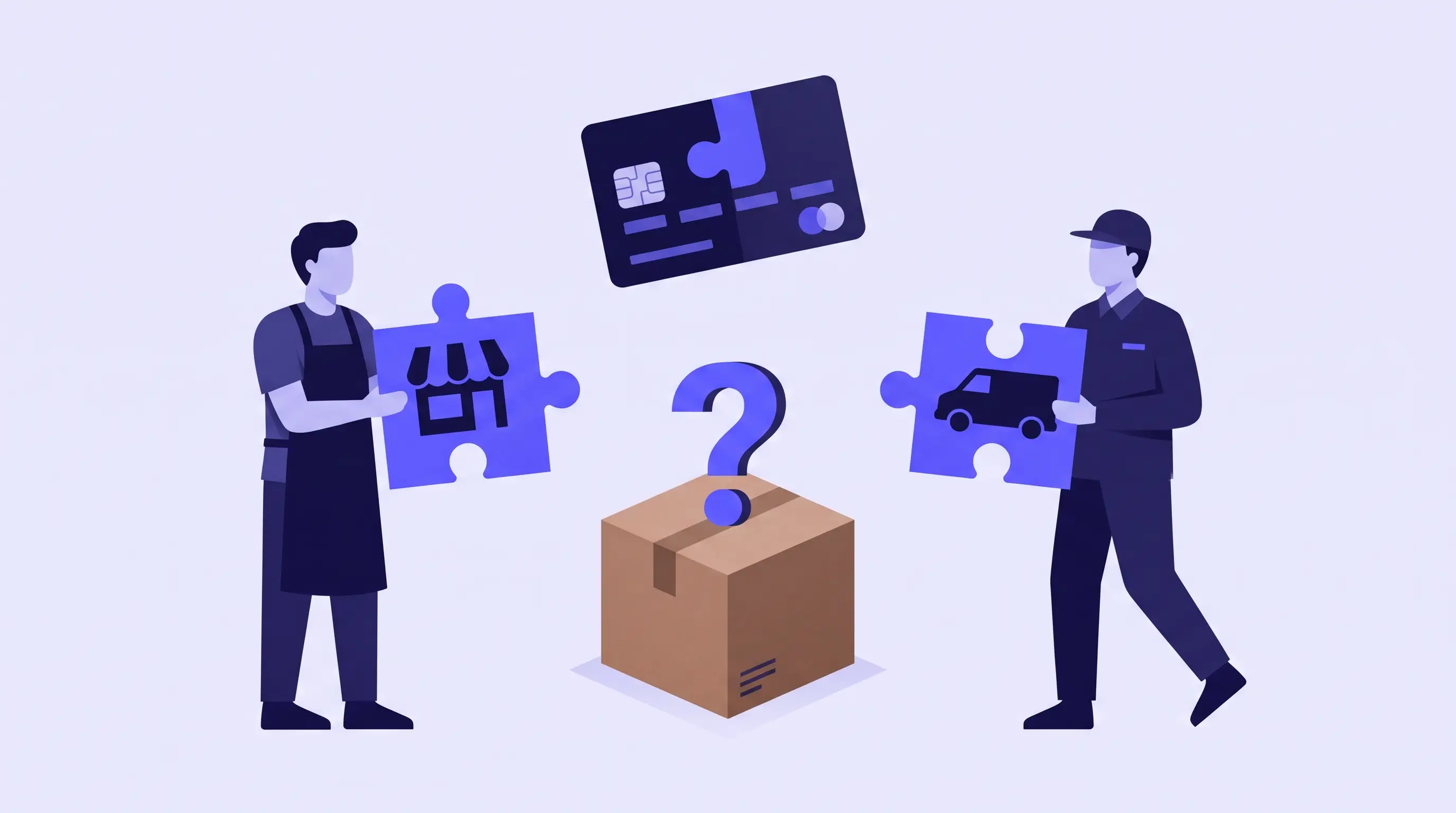
Buy Now, Pay Later Added a Third Party to Every Dispute
Refund problems make up almost a quarter of all BNPL complaints (Resolver). Buy Now Pay Later split every dispute across three parties, and refund fraud thrives in the gaps.
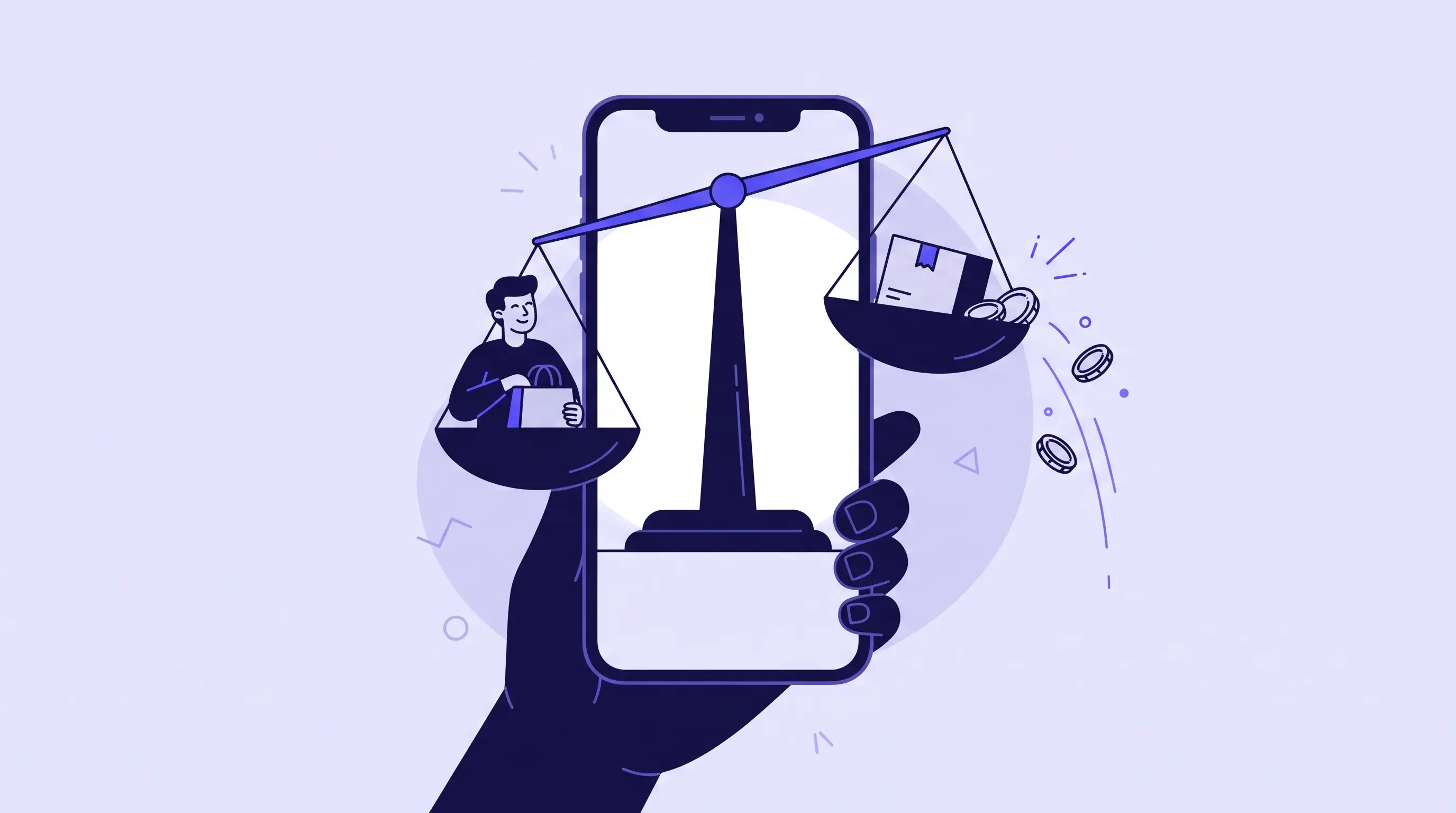
On a Marketplace, the Buyer's Fraud Lands on the Seller
On a marketplace, a buyer's fraudulent refund claim lands on the seller first. Enough of it, and sellers leave, taking the platform's real capital, trust, with them.

There Are Two Kinds of Retail Fraud, and Your Tools Only Cover One
For the first time in 25 years, refund abuse overtook payment fraud as the top merchant threat (MRC). Most fraud tools guard the checkout, not what happens after it.

Wardrobing Is Mainstream, and the Returns Desk Can't Catch It
32% of UK shoppers have worn something then returned it, rising to 43% of under-34s (Harris Poll). By the time it reaches the returns desk, a wardrobed item already looks returnable.

The Carrier Knows What Happened to Your Parcel. The Retailer Doesn't.
Item not received claims drive up to two-thirds of abuse-related losses (Riskified). The proof sits with the carrier, and it almost never reaches the retailer resolving the claim.

The Serial Returner No Single Shop Can See
Refund and first-party fraud is now the top threat to online merchants (MRC, 2024). It keeps winning because of one blind spot: every retailer only sees its own slice of a fraudster.
Redefining the Economics of Fraud: A Thought Leadership Perspective
A thought-leadership read on the 2023 LexisNexis True Cost of Fraud Study: why the real cost of fraud is operational drag and eroded trust - and how collective intelligence and adaptive friction build resilience.
Gen Z, Fraud, and the Fine Line Between Rebellion and Risk: A Co-Founder’s Take
Retail Cache co-founder Louie Kenny on why 42% of Gen Z admit to first-party fraud, what’s really driving it, and how adaptive, collaborative fraud prevention can bridge the generational gap.